Today’s Film Review | "Chang ‘an Three Wan Li" Aspiring poet, frustrated Chang ‘an
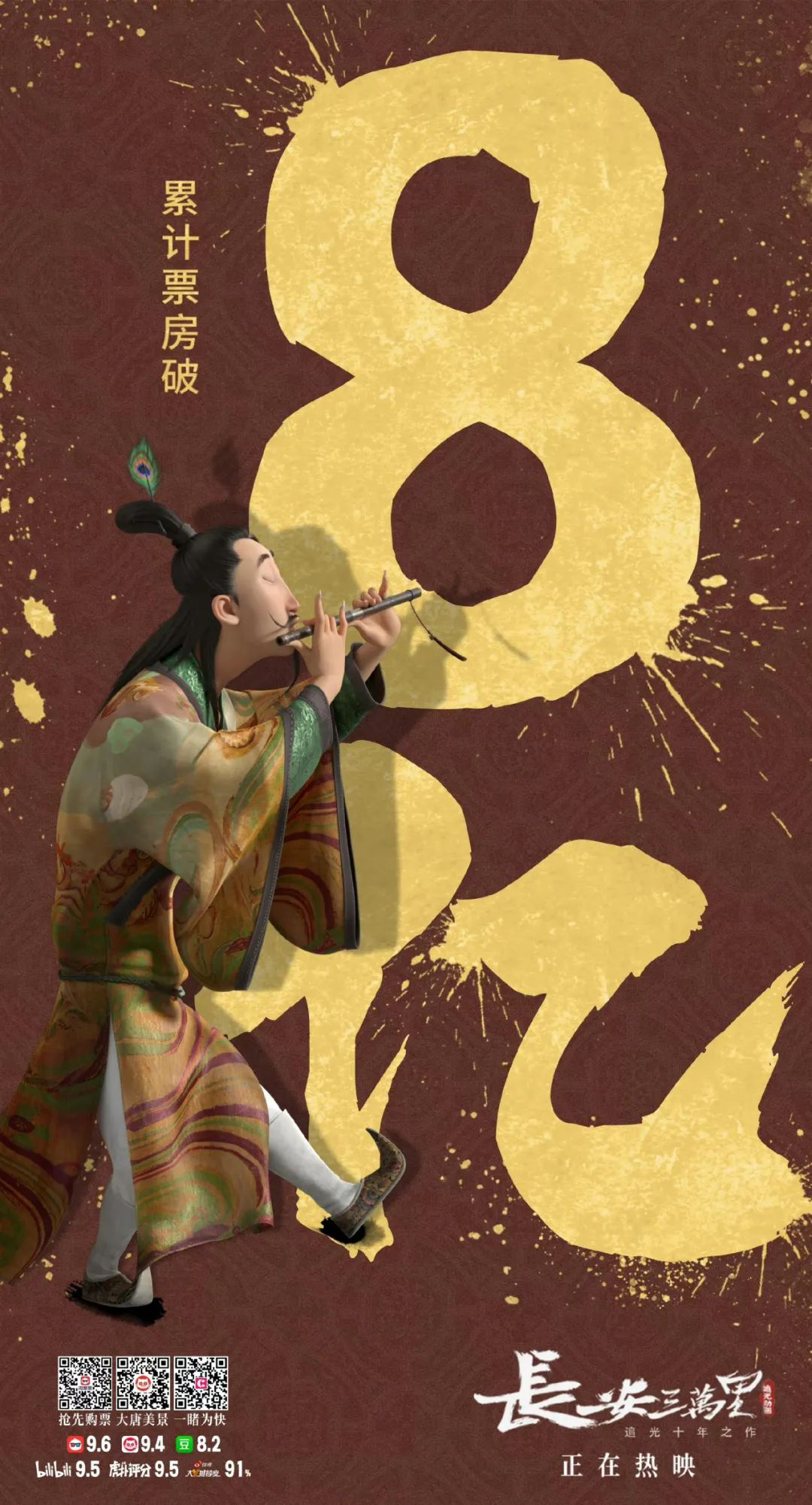
1905 movie network news A few days ago, the cumulative box office broke 800 million, surpassing the number one box office. As the first animated epic, The Three Wan Li in Chang ‘an once again illustrates the fetters between China people and traditional culture, and becomes a successful example of the combination of traditional culture and business.
The modern expression of traditional culture is constantly transforming and upgrading. In the past, people were easily attracted by symbols, such as Hanfu and tea, but this time, the audience was moved by the deep meaning of poetic culture in Three Wan Li in Chang ‘an. "Poetry" expresses ambition, which is about feelings and aspirations. This kind of feelings and aspirations are not as delicate and gentle as those of Song Ci, which focuses on love and homesickness, but more about the magnificent feelings of home and country.
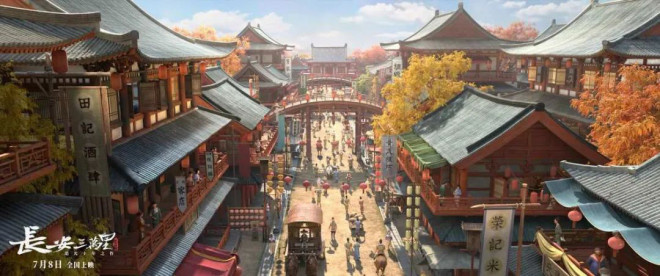
The image of the prosperous Tang Dynasty, the culture of Tang poetry and the poet’s life are integrated in Three Wan Li in Chang ‘an. Aspiring poets yearn for Chang ‘an, saying, "You and I should be this prosperous time and be Dapeng"; When frustrated poets look at Chang ‘an again, they may understand that the prosperous and frustrated Chang ‘an is an Chang ‘an.
Chang ‘an:
The shadow under the prosperous Tang dynasty
Three Wan Li in Chang ‘an is essentially different from other works that express the prosperous Tang Dynasty. So far, there have been many works depicting the prosperous Tang Dynasty. For the Chinese people, the prosperous Tang Dynasty is a prosperous and even some erosive dream, so no matter how many prosperous and gorgeous elements are piled up, many creative teams follow this psychological expectation to describe the prosperous Tang Dynasty. However, "Three Wan Li in Chang ‘an" is the opposite. At the beginning of the film, the prosperous Tang Dynasty has passed.
There is always a faint sense of crisis in the movies when they express the weather in the prosperous Tang Dynasty. The film did not avoid the problems in the prosperous Tang Dynasty, such as family prejudice, corrupt officials, have it both ways, and imperial humiliation … … The son of a businessman can’t take part in the imperial examination, and those who fall behind in the family are not worthy of "writing a book". Even if a woman is talented, she still has no way to serve her country. These characters in the prosperous Tang Dynasty, Li Bai, Gao Shi and Pei Shi-er, all have the depression of not meeting her talents. There is a great contrast between this kind of depression and the prosperous scene of the Tang Dynasty in the eyes of the public.
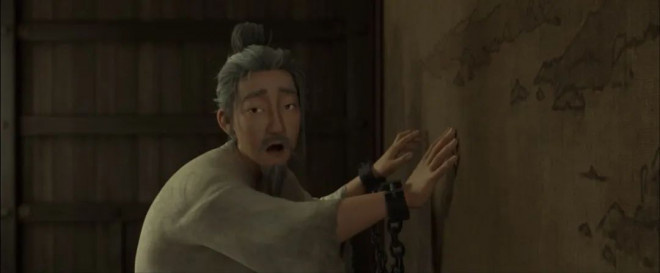
Some friends in the audience said: The film didn’t capture the prosperous Tang Dynasty in their own mind. But if the prosperous Tang Dynasty was really perfect everywhere, what about its downfall?
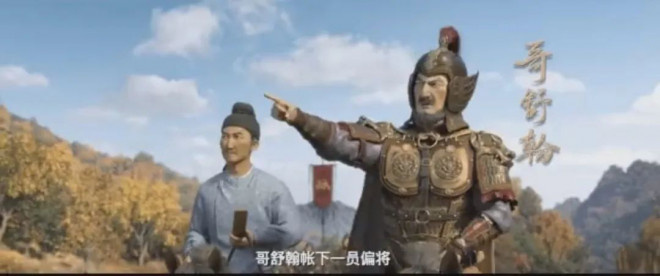
During the An-Shi Rebellion, Chang ‘an was besieged, and Datang was in the autumn of critical survival. The people who rescued it all experienced the prosperous Tang Dynasty, such as Li Bai, Gao Shi, Ge Shuhan and Guo Ziyi. They had a prosperous memory of the prosperous Tang Dynasty, and then looked at the broken dynasty with compassionate eyes.
Movies have their own cultural mission. The idealized prosperous Tang Dynasty exists in the deep heart of every China person, which will always inspire our national spirit. However, these real crises dormant in the Tang Dynasty can better convey the sense of social responsibility and historical peril. Even Li Bai, the most idealistic, still wrote countless poems with a sense of hardship, such as "The Eighteen Ancient Styles", "The pommel horse is like a dragon, and gold wraps around the horse’s head. Pedestrians are all different, and their ambitions are everywhere. "They write about the arrogance of officials and the disgust of the people. This is the alert function of intellectuals and the sense of responsibility for their cultural mission.
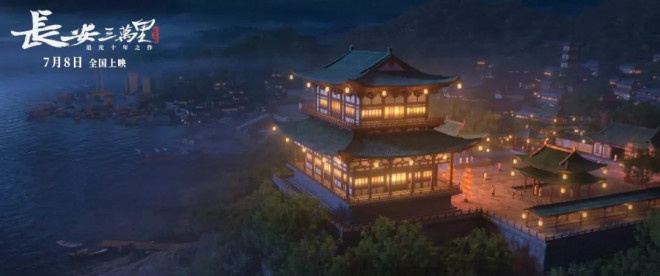
With the lessons of the downfall of the prosperous Tang Dynasty, modern society should be more alert to the principles of respecting human rights, knowledge and talent. Only in this way can the "prosperous times" be passed down from generation to generation.
Poet:
A frustrated initial heart
In the film, Gao Shi refused to enter the shogunate at first, but in the end, it was because he worked as a staff member for Goshuhan that he had the opportunity to become an envoy of the three towns. After several setbacks, he finally climbed to the top of another mountain.
Gao Shi and Li Bai in "Three Wan Li in Chang ‘an" have been polished by the creative team and become a two-sided relationship. When Li Bai read Cui Hao’s poems, he found that there was someone outside. Gao Shi competed with Pei Twelve, and later realized his own limitations. From then on, the two separated and embarked on two completely different ideal roads.
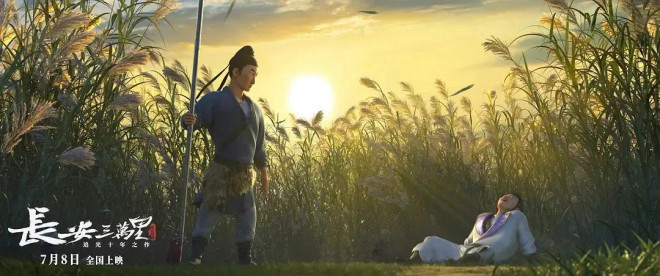
The Road Not Taken is an eternal proposition in life, and we always envy ourselves for choosing another road. Li Bai and Gao Shi look after each other like two peaks. Li Bai looks at how the one who chose realism becomes Gao Shi, and Gao Shi looks at how the one who chose romanticism becomes Li Bai. Even if they hold different life beliefs, their hearts are still full of admiration and praise for each other. But no matter what kind of life path, "taking the country and the world as their own responsibility" has never changed, so they still maintain a hope and concern for each other. This is a compliment to another "I" and an expectation of keeping my original heart forever.
This group of poets in the Tang Dynasty all had simple career ideals and longed for "once climbing to the top of the peek, one would see and the other mountains all appear dwarfs under the sky.". Life is like climbing a mountain, but different people will choose different slopes. They may go the same way at first, and they may disagree halfway, but as long as they are all climbing mountains, they have the same goal in life. No matter how rough this initial encounter is, as long as they keep climbing the mountain, they are respectable friends of each other.
The literati in Three Wan Li in Chang ‘an have never fully realized their ambitions, but they are always on the road to achieving them.
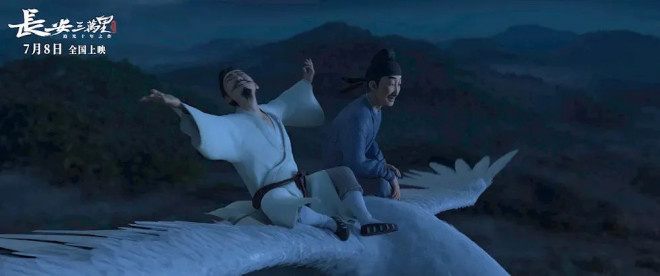
There are three realms in art, one is pleasing to the eye at the symbolic level, the other is that the more you feel, the more you believe, and the third is that the more you value. Children, young people and middle-aged people, step by step, each appreciate the aesthetics, emotion and value thinking of the film.
No matter how many frustrations you encounter in Chang ‘an, you always have young ambitions, and the audience is moved by this kind of blood. Portraits of the Tang people are always in high spirits, bursting with endless youth; The demeanor of Tang poetry expresses the most authentic temperament and aims at the ideal of making contributions to life.
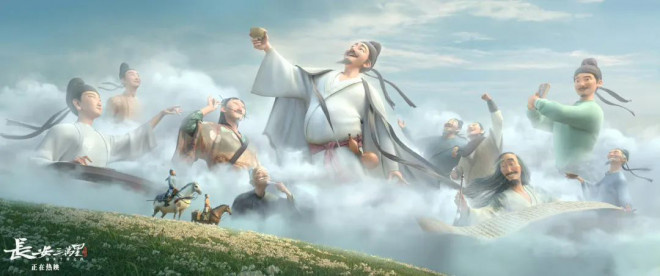
The more profound and profound China culture is, the more we need blood to inspire us. The Tang Dynasty is an unrepeatable cultural dream and a youth of China. We remember the poets with top aspirations and the stormy Chang ‘an. We either enjoy youth, or have feelings for youth. Under the infiltration of Tang people and Tang poems, we will always remember a passionate self.